The Ultimate Guide to Modular Outdoor Sofa Sets for Outdoor Spaces

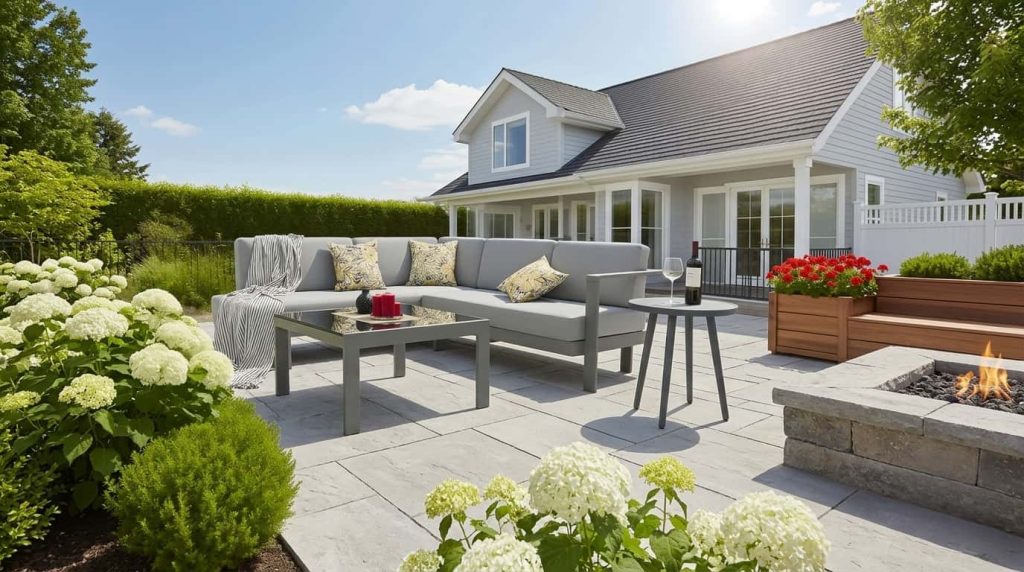
Modular outdoor sofa sets are transforming how hotels and restaurants design their outdoor spaces to meet evolving guest expectations. Hotels are modifying their spaces to provide more individualized and adaptable lodgings. Outdoor areas are no exception to this trend. Flexibility is now paramount, as venues need furniture that adapts to different party sizes and seasonal demands. Companies like Marriott have adopted this approach and use modular systems where areas can be quick to change to suit various events and visitor requirements.
In this piece, we'll explore what makes modular outdoor furniture the ideal choice for commercial patio furniture needs. We cover everything from modular sofa ideas and configuration options to maintenance best practices that ensure your sofa outdoor investments deliver long-term value.
What Are Modular Outdoor Sofa Sets and Why They Matter
Understanding modular outdoor furniture design
Modular outdoor sofa sets consist of independent units that connect to create custom seating arrangements. Each piece functions as a standalone element—corner sections, armless seats, chaise modules, ottomans—that you can arrange into configurations ranging from linear sofas to expansive lounge islands. This architectural approach to furniture design allows commercial spaces to shape seating based on their specific spatial requirements and operational needs.
The design philosophy centers on flexibility without sacrificing coherence. Modules are generous in proportion and upholstered in performance fabrics with cushioning that rivals interior seating. Powder-coated aluminum frames, teak detailing and weather-resistant materials ensure these systems withstand outdoor conditions while maintaining their appearance over time. The units connect through clips or fastening systems that create seamless arrangements and eliminate gaps between sections.
Key differences between modular and traditional sofa outdoor options
Traditional outdoor sofas come in fixed shapes and sizes that limit how you can use your space. Once positioned, they remain static until you decide to purchase new furniture. Modular systems offer multiple configuration possibilities from the same set of pieces. You can transform a five-seater sofa into a loveseat and three armchairs within seconds.
Modular pieces adapt to irregular room shapes, corners and open-plan spaces where traditional sofas leave awkward gaps. Individual modules are easier to transport through narrow doorways and up stairs. When one module becomes damaged, you replace that single piece rather than the entire seating arrangement. This flexibility proves especially valuable in commercial settings where spaces serve multiple purposes throughout the day.
Why hotels and restaurants are choosing modular systems
Commercial buyers prefer modular configurations that can be stored or rearranged during off-seasons or extreme weather conditions with ease. Hotels just need furniture that serves different types of travelers—business guests who require work areas, families who want relaxation space and couples seeking intimate settings. Modular systems address these varied needs through their inherent adaptability.
Restaurants can modify seating plans in response to customer needs instantly and adjust for changing seasons, special occasions and varied group sizes. This flexibility maximizes limited urban real estate while creating more engaging experiences. Modular systems support sustainability goals through durable materials and the option to expand over time rather than replacing entire furniture sets.
Benefits of Modular Outdoor Sofa Sets for Commercial Spaces
Space optimization and flexible layouts
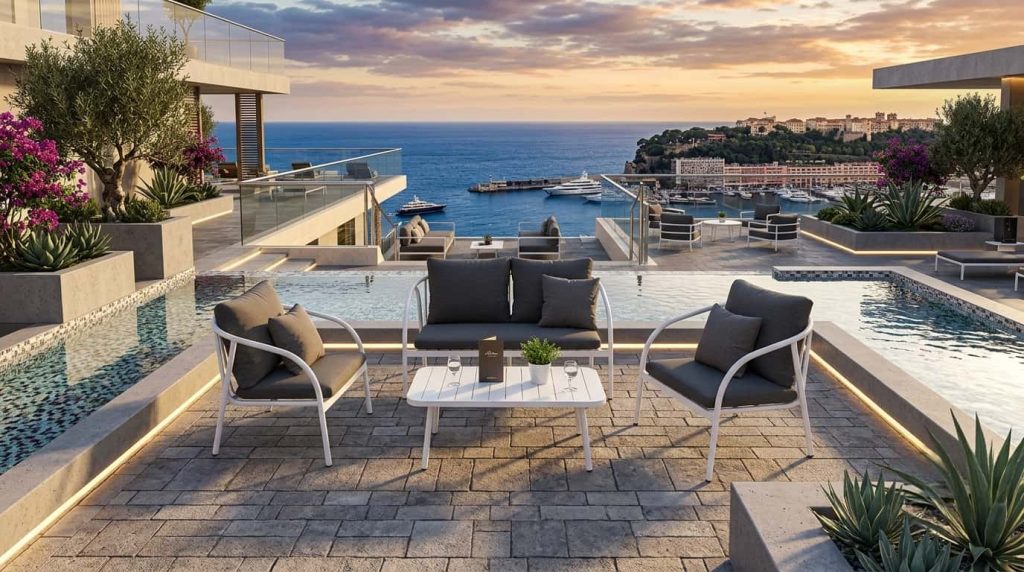
Commercial venues face constant pressure to maximize every square meter of outdoor space. Modular outdoor sofa sets address this challenge. Operators can arrange seating in clusters or around focal points. This setup promotes conversation and maintains smooth circulation for staff and guests. One hotel terrace renovation added modular seating with shaded areas and small tables for groups. Guests stayed longer and shared photos online. Terrace ratings increased. The same pieces can be adjusted for different group sizes and booking types. One outdoor area can function as a casual lounge or a large group dining space without needing separate furniture for each format.
Guest comfort and customization
Modular systems allow venues to create seating arrangements that match specific guest experiences. Configurations for two guests or twenty maintain visual coherence while adapting to actual needs. Comfort remains paramount. Commercial-grade modular pieces use performance fabrics and cushioning that encourage extended stays. Customers who feel comfortable stay longer and conduct more business with your establishment.
Durability and weather resistance
Commercial modular outdoor furniture uses materials engineered for high-footfall environments. UV-stable powder-coated steel resists corrosion and fading. Aluminum frames offer lightweight, weather-resistant construction that's easy to maintain. Teak provides natural weather resistance without requiring sealing. These materials ensure furniture withstands sun, rain and temperature variations while maintaining appearance through intensive daily use.
Affordable solutions and long-term value
Professional-grade modular furniture delivers superior return on investment. Cost analysis shows consumer furniture requiring five replacements costs £2,500 over ten years. Professional furniture needing one replacement costs £1,500 over the same period and saves £1,000. Modular systems also allow incremental expansion rather than complete replacements as venues grow. Commercial-grade pieces are more durable with longer lifespans. This eliminates frequent furniture purchases and saves thousands over time.
Brand identity and esthetic consistency
Modular sets solve a common challenge: creating spaces that look intentional rather than assembled from whatever was available. Every component belongs to the same system. Whether arranged for two guests or twenty, the space appears cohesive and considered. This visual quality influences whether guests choose to sit there, how long they stay and whether they return.
Choosing the Right Modular Sofa Ideas for Your Venue
Material selection for commercial patio furniture
Powder-coated aluminum dominates commercial settings because it won't rust, weighs 30-50 percent less than steel, and handles rain without protective coatings breaking down. Most commercial aluminum chairs weigh 6-9 lbs and stack 8-10 high. This saves storage space during off-season months. Powder-coated steel frames offer heavier construction, advantageous on rooftop patios where lightweight furniture shifts in wind. Teak signals quality through its natural oils that resist rot and insects without requiring oiling or staining. Resin wicker over aluminum frames provides traditional esthetics without mildew. High-density polyethylene rated for UV exposure lasts 5-8 years under commercial use.
Configuration options and layout planning
Space proportions determine which configurations work best. Smaller venues benefit from pieces that split into separate chairs, while spacious decks require larger arrangements or multiple pieces. The modular approach means you don't need to get arrangements right from the start. Rearranging remains possible throughout ownership. Multi-use spaces work well when you keep modules together and serve everyday operations. Separating standalone seats gives guests personal space during events.
Cushion and fabric considerations
Sunbrella solution-dyed acrylic stands as the gold standard. It offers fade resistance, 100 percent waterproof protection and mold resistance. Cushions at hotels require updates every 3-5 years according to replacement guidelines. Look for Dacron filling, which provides firm support and maintains shape. Polyfill flattens over time. Tenara sewing thread resists tearing better than polyester or cotton thread.
Color schemes and design styles
Neutral colors like gray, beige and natural wood finishes create timeless designs that adapt to changing trends. Match furniture to your venue's exterior colors and existing architectural details. This creates visual coherence. Two-tone combinations add depth without overwhelming spaces.
Implementation and Maintenance Best Practices
Installation and setup guidelines
Most modular outdoor furniture needs no special tools for assembly. Modern systems connect through clips or fastening systems that allow quick setup. Start assembly on non-abrasive surfaces like flattened cardboard to prevent frame scratching. Lay out all components before you begin to verify parts match assembly instructions. Tighten bolts in stages rather than securing each connection right away. This allows frames to settle as they should. Recheck all fixings 7 to 14 days after you install them, as modular seating often settles during early use.
Seasonal care and cleaning protocols
Surface cleaning once or twice weekly during heavy use prevents buildup. We recommend mild soap diluted in warm water for most surfaces. Pressure washing is the quickest way to clean frames and woven materials. Remove debris with soft brushes before you wipe down solid surfaces. Blot stubborn stains right away rather than scrubbing, which drives stains deeper. Check the manufacturer's instructions first, as different materials need specific cleaning approaches.
Storage solutions for off-season periods
Store cushions indoors in dry locations rather than leaving them compressed outdoors. Use breathable covers that prevent moisture trapping. Partial storage works well for dining zones: store seat cushions separately and leave protected frames in place. Clean and dry all items before extended storage periods. Avoid stacking wet cushions or covering furniture while moisture remains underneath.
Warranty and replacement considerations
Proper maintenance proves critical to preserve warranty coverage. Register warranties within specified timeframes to ensure validity. Keep proof of purchase, product serial numbers and maintenance records for claim submissions. Warranty claims need photographs from multiple angles showing the defect's extent. Maintain spare parts inventory including feet, glides, screws and cushion covers. Minor issues like loose screws or worn glides qualify for repair rather than full replacement.
Conclusion
Modular outdoor sofa sets are a smart investment for hotels and restaurants that need flexibility and comfort. Quality commercial-grade pieces that match your venue's esthetic will deliver years of reliable service. Choose the right materials and maintain them well. These systems adapt to your changing operational needs. Start with core pieces and expand your configuration as your space evolves. Your guests will notice the difference.